























How to Stay Active at Work

How to Stay Active at Work: Tips for a Healthier Office Lifestyle
Staying active at work can feel challenging, especially when long meetings, screen time, and deadlines keep you glued to your desk. But a sedentary workday doesn’t have to be the norm. With a few intentional habits and the right office setup, it’s possible to stay active at work while boosting focus, energy, and overall well-being.
Whether you’re working in a traditional office or from home, building movement into your day can support better physical health, reduce stress, and even improve productivity. In this guide, we’ll explore why workplace activity matters, share practical tips to help you stay active all day at work, and explain how ergonomic office furniture plays a key role in helping you create a healthier office lifestyle.
Why Staying Active at Work Matters
Modern office jobs are often sedentary by design, but prolonged sitting can take a toll on both your body and mind. Staying active throughout the workday isn’t just about fitness—it’s about supporting long-term office health and workplace wellness. Here’s why regular movement at work matters:
- Boosts energy and focus: Short bursts of movement increase blood flow, helping you stay alert and productive throughout the day.
- Supports physical health: Staying active reduces the risk of back pain, poor posture, heart disease, and other issues commonly linked to prolonged sitting.
- Enhances creativity: Walking, stretching, or changing positions can spark new ideas and improve problem-solving.
- Reduces stress: Physical movement releases endorphins, helping to lower stress and improve mood during busy workdays.
- Improves collaboration: Walking meetings, shared spaces, and active work areas encourage communication and teamwork.
For anyone wondering how to stay healthy working an office job, the answer often starts with rethinking how movement fits into the workday.
Tips for Staying Active When You Have an Office Job
Staying active at work doesn’t require a gym membership or long workout sessions. Small, consistent habits can make a big difference, especially when supported by ergonomic office furniture and thoughtful office design.
1. Increase Walking Distances Throughout the Day
One of the simplest ways to stay active in a sedentary job is to walk more intentionally.
Try these easy adjustments:
- Take the stairs instead of the elevator when possible
- Walk to a colleague’s desk instead of sending an email
- Park farther away or get off public transit one stop early
- Schedule short walking meetings for informal discussions
Even small increases in daily steps can help counteract the effects of prolonged sitting.

2. Use Standing and Ergonomic Desks
Standing desks and height-adjustable workstations are among the most effective tools for office fitness. They allow you to alternate between sitting and standing throughout the day, reducing sedentary time without disrupting productivity.
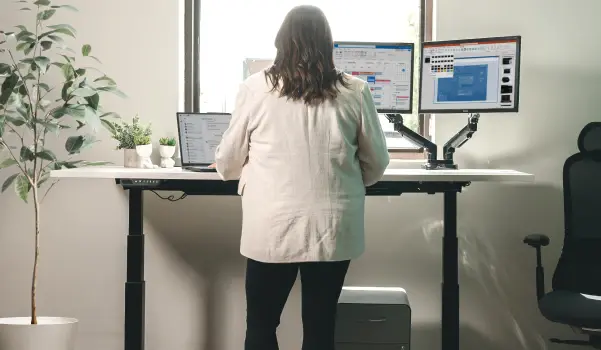
Benefits of standing desks include:
- Improved posture and spinal alignment
- Reduced lower back and neck strain
- Increased energy and circulation
- Greater flexibility in how you work
Tips for using a standing desk effectively:
- Alternate between sitting and standing every 30–60 minutes
- Use a timer or reminder to change positions
- Wear supportive footwear or use an anti-fatigue mat
3. Take Short Outdoor or Indoor Breaks
Stepping away from your desk, even briefly, can refresh both your body and mind. Short breaks are essential for staying active all day at work.
Here are some ideas to naturally incorporate movement breaks into your day:
- Take a 5 to 10-minute walk every few hours
- Stretch or walk during phone calls
- Step outside for fresh air when possible
- Use break time to move instead of scrolling
These breaks improve circulation, reduce eye strain, and help maintain focus throughout the day.

4. Simple Office Stretching Exercises
Desk exercises and stretches are ideal for busy workdays. They require minimal space and can be done right at your workstation.

Moves to stay active at your desk include:
- Neck rolls and shoulder shrugs
- Seated spinal twists
- Standing hamstring or calf stretches
- Wrist and forearm stretches for typing fatigue
Incorporating stretching into your daily routine supports flexibility, reduces muscle tension, and helps prevent repetitive strain injuries.
5. Desk-Friendly Workouts for Productivity
Office fitness doesn’t have to be intense to be effective. Light, desk-friendly workouts can help maintain energy without breaking a sweat.
Try these quick exercises to add some quick movement to a busy day:
- Seated leg lifts
- Chair squats
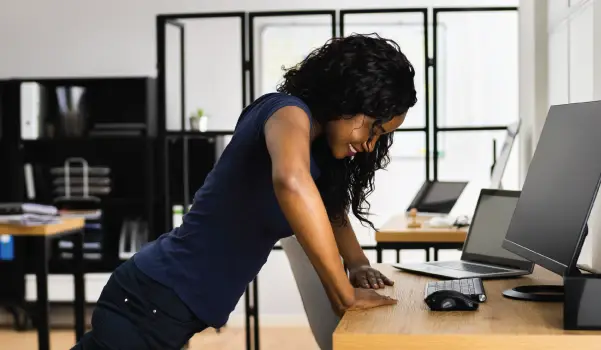
- Wall push-ups
- Calf raises while standing
These movements are subtle enough for the office yet effective for staying active when working from home or in shared spaces.
6. Choose the Right Supportive Furniture
Your furniture plays a major role in how active, or inactive, you are during the workday. Choosing supportive, ergonomic pieces makes it easier to move comfortably and maintain healthy posture.
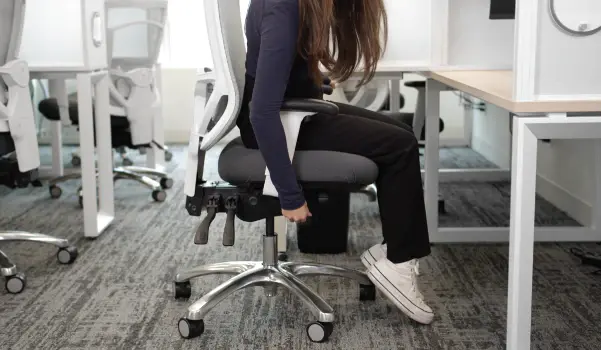
Some furniture options to consider:
- Ergonomic chairs with adjustable features
- Standing desks or sit-stand converters
- Walking pads or under-desk pedals
- Monitor arms to support posture changes
The right setup removes barriers to movement and encourages healthier habits naturally.
Optimizing Office Activity with the Right Furniture
Creating a truly active workplace goes beyond individual habits. Thoughtful furniture selection and office design can support movement, comfort, and productivity across the entire team.
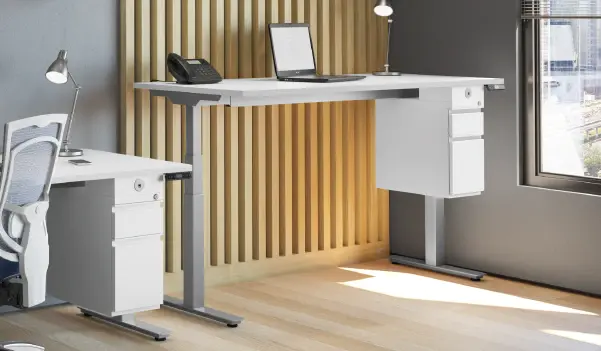
Standing desks and Adjustable Workstations
Standing desks reduce prolonged sitting and allow employees to work in multiple positions throughout the day. Height-adjustable workstations accommodate different body types and working styles, making them ideal for shared offices.
To maximize benefits:
- Encourage position changes throughout the day
- Pair desks with anti-fatigue mats
- Educate employees on proper ergonomic setup
Modern standing desks blend seamlessly into today’s workplaces while supporting better office health.
Ergonomic Chairs for Comfort and Movement
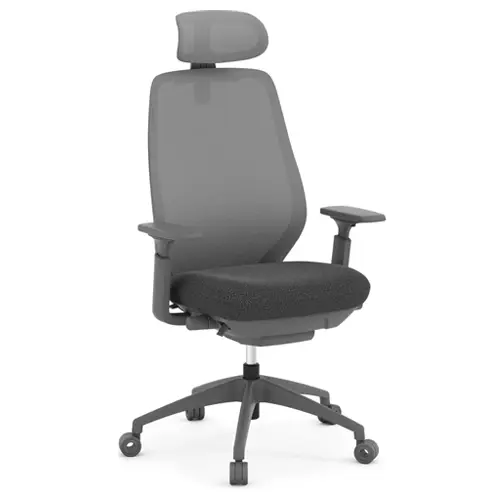
Ergonomic office chairs do more than support posture, they also encourage subtle movement. Features like lumbar support, adjustable seat depth, tilt mechanisms, and armrests help reduce strain and improve circulation. Benefits include:
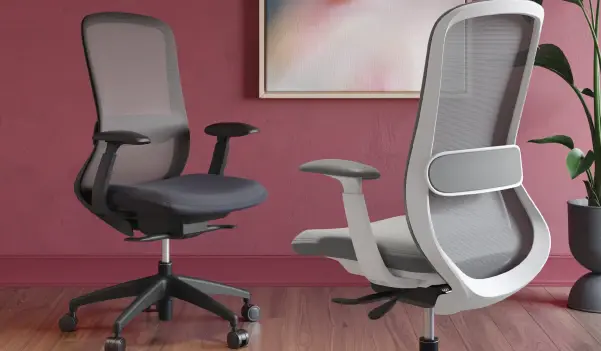
Benefits include:
- Improved spinal alignment
- Reduced neck, shoulder, and lower back pain
- Increased comfort during long work sessions
Dynamic seating allows small movements that keep the body engaged even while seated.
Under-Desk Equipment for Active Work
Under-desk equipment makes it easy to stay active without leaving your workstation. Options like pedal bikes, ellipticals, and balance boards support light movement while maintaining focus.
These tools are useful for:
- Desk-based roles with limited mobility
- Employees working from home
- Individuals looking to increase daily movement gradually
They’re a practical solution for staying active in a sedentary job.
Collaborative Furniture to Encourage Movement
Smart office layouts and furniture choices naturally encourage movement and interaction. High tables, mobile furniture, and communal spaces support walking meetings and spontaneous collaboration.
Benefits of active collaboration spaces include:
- Increased movement throughout the day
- Better communication and teamwork
- More flexible and engaging office environments
When movement is built into the space, staying active becomes effortless.
Combining Furniture and Office Design for Maximum Impact
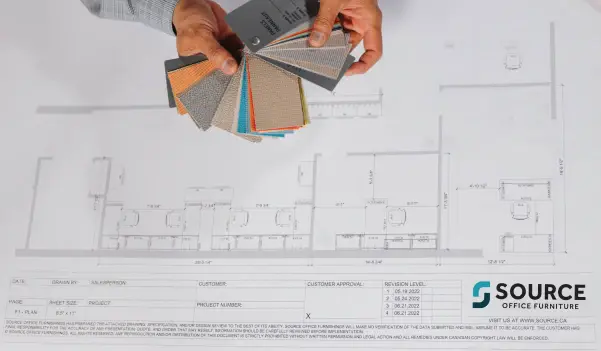
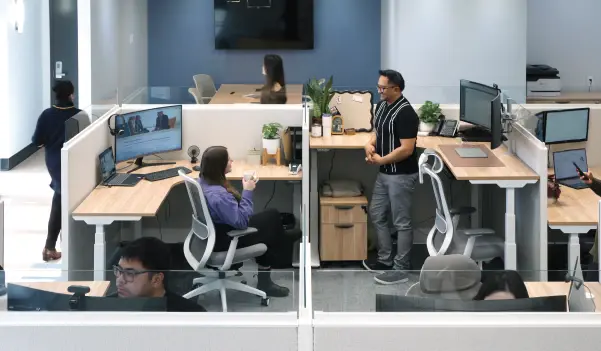
Office floor planning plays a critical role in workplace wellness. Strategic layouts, such as spaced workstations, shared resources, and defined walking paths, encourage employees to move naturally throughout the day.
Working with office design experts can help ensure your space supports both productivity and health. A well-designed office balances comfort, efficiency, and movement seamlessly.
Create a Healthier, Happier Workspace with Source
Figuring out the perfect office setup can feel overwhelming, but it doesn’t have to be. At Source, we help businesses design workspaces that support health, productivity, and comfort. From ergonomic office furniture to optimized floor plans, our team makes it easy to create an environment where employees can stay active at work and feel their best.
Our free consultation takes the guesswork out of planning, so you and your team can focus on what really matters. We’re here to help you stay happy, healthy, and moving at work.
Connect with an office furniture expert at a Source location near you to get started.